
Md Soriful Islam

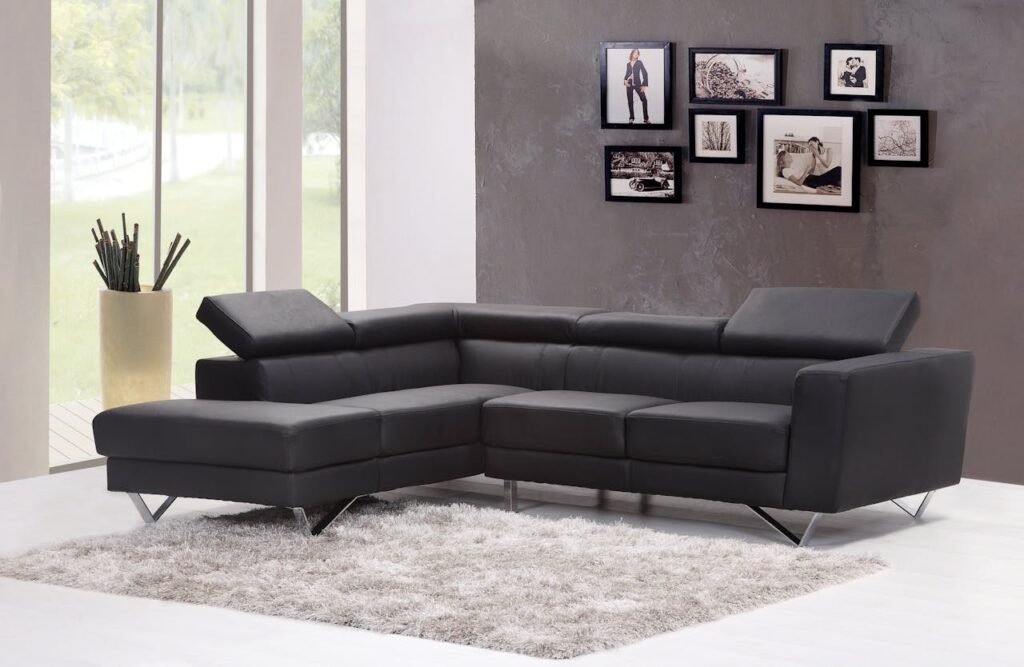
Sofa set on carpet with furniture pads

Easy Solutions: How to Avoid Furniture Marks on Carpet

How to avoid furniture marks on carpet is a common concern for homeowners who want to maintain a flawless floor. Heavy furniture can leave unsightly dents, but with simple preventive measures, you can keep your carpet looking new. If you already have indentations, don’t worry—there are easy ways to remove furniture marks on carpet using ice cubes, steam, or a vacuum. Wondering, how do you remove furniture marks from carpet effectively? Keep reading for practical tips to restore your carpet’s smooth and even texture. How to Avoid Furniture Marks on Carpet: Quick Tips There’s really no feeling like having soft, new carpet beneath your feet. Yet, that fresh appearance can easily get spoiled by the dents and indents caused by heavy furniture. From a sofa to an armchair, even a big coffee table, those furniture legs can put a lot of pressure on carpet fibers, creating ugly marks. In this useful guide, you will find practical ways to stop furniture marks on your carpet, ensuring it stays looking great for a longer time. “This article contains affiliate links. I might get commissions from those links if you click through the link and finalize a purchase. Please read Disclosure section for more information.” Understanding How Do You Remove Furniture Marks From Carpet Furniture marks on carpets can look like little dents or presses. They happen because of the constant pressure from the weight of the furniture on the carpet fibers. With time, this pressure squashes the fibers flatter and makes them less springy, so you can really see the marks, especially on softer carpets or those with a higher pile. Besides just looking bad, these marks can also catch dirt and debris, which makes cleaning harder. In really bad situations, if the compression goes on too long, it might even cause permanent damage to the carpet fibres, hurting the carpet’s lifespan and how it looks overall. Learning how to avoid furniture marks on carpet helps maintain its smooth and fresh appearance. And using furniture pads is an effective way on how to avoid furniture marks on carpet The Basics of How Furniture Can Damage Carpets The weight of the furniture, especially when it’s pushed down on small areas like chair or table legs, squishes the carpet fibres. With this ongoing pressure, the fibres can lose their natural bounce and ability to spring back. For example, think about stepping on a piece of grass over and over – it will eventually flop over and can’t stand back up. How much damage happens depends on different things. More weight from heavy furniture puts harder pressure. Furthermore, the type of carpet material and how it is made are also important. Carpet made of delicate natural fibers, like wool, may get compressed more easily compared to synthetic carpets. On the bright side, it is possible to lessen this damage. Using furniture pads allows the weight to spread out better, which lightens the pressure on certain spots. I use Yelanon Felt Furniture Pads for my home. The cost of 128 furniture pads is around $10. These furniture pads shield carpet from damage and are quite simple to use. You can prevent carpet damage in your house by using Yelanon Furniture Pads. On Amazon, this product has received over 10,000 5-star ratings. Different Types of Carpet Marks Carpet marks usually happen because of furniture, and they come in different forms. The most common ones are dents or compression marks. These marks show up as flattened spots where furniture legs press down continually, smashing the carpet fibers and making unsightly indentations. The amount of damage can go from hardly visible to really noticeable, based on the weight of furniture and how long it stays in one place. Another kind of mark is called “pooling” or “crushing.” With time, this develops from foot traffic and furniture weight, which causes the carpet fibers to bend in different ways. While pooling may not leave dents, it changes how the carpet looks overall. It might appear worn and uneven, especially in areas with lots of foot traffic. By knowing about these various types of carpet marks, you can take the right steps to prevent them and use the best cleaning methods to keep your carpet looking great. How Much Cost Avoid Furniture Marks Many people think about getting rid of furniture marks, but it’s actually cheaper and quicker to stop them before they happen. Using proactive steps can help you avoid the costs of professional carpet cleaning, repairs, or even having to replace your carpet too soon. It might cost you around $100 to $250 for keeping your carpet clean in a year. If you have lot of furniture’s in your home, then cost might be little more. But overall, it will not cost you too much money. You can use simple and affordable solutions, like caster cups or furniture coasters. With rotating your furniture regularly and placing area rugs in busy spots, you can really reduce the chances of those annoying dents and marks on your carpet. By taking these preventative actions, you can protect your investment and make your carpet last longer while keeping it looking good. Pre-Installation Tips to Remove Furniture Marks on Carpet Before any furniture touches your new carpet, follow these simple steps to prevent indentations. By thinking about these things before you install it, you can help your carpet endure for a long time while showing less damage. With the selection of the right carpet type and padding, along with careful planning of your furniture arrangement, you’ll support a floor that stays looking nice for a longer time. Choosing the Right Carpet Type and Padding The kind of carpet material you select can really affect how easily it gets marked by furniture. For this reason, choose carpets with low pile and a dense build. They usually stand up better and bounce back from compression more effectively. For color, think about using solution-dyed carpets, as the color goes all the way through the fiber. This feature

Easy Solutions: How to Avoid Furniture Marks on Carpet Read More »

Growing Vegetable Plants Indoors: Avoid Common Mistakes

Growing Vegetable Plants Indoors: Avoid Common Mistakes

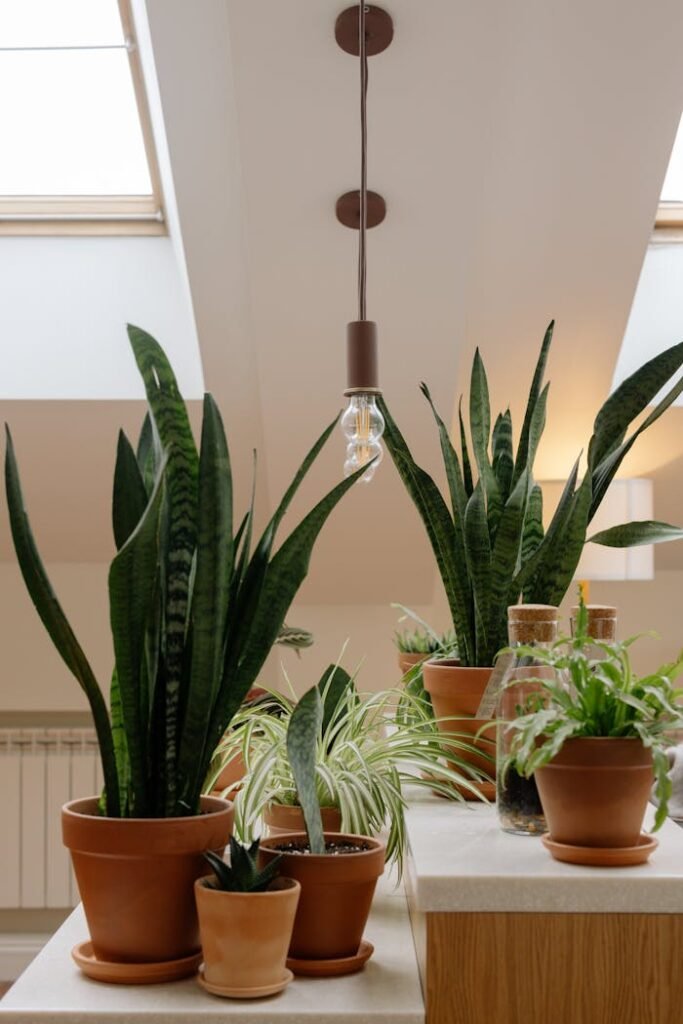
Growing vegetables indoors for beginners is a great way to enjoy fresh produce year-round, even without a backyard. With the right setup, you can start growing vegetable plants indoors using containers, proper lighting, and nutrient-rich soil. Choosing the best indoor vegetable plants like lettuce, herbs, and cherry tomatoes will help ensure a successful indoor garden. Get ready to transform your space into a mini farm with these simple yet effective tips! Growing indoor vegetable plants: Tips for avoiding Common Mistakes Indoor gardening gives you the chance to grow your favorite vegetables all year, no matter how much space you have. It doesn’t matter if you’re a seasoned gardener or just beginning; this detailed guide is here to help. We’ll walk through choosing the best spot for your plants, setting up a grow light, and picking out the right potting mix for optimal growth among other things. With these tips, creating a thriving indoor vegetable garden will be easy. “This article contains affiliate links. I might get commissions from those links if you click through the link and finalize a purchase. Please read Disclosure section for more information.” Understanding Indoor Vegetable Gardening Basics You’re tasting the fresh flavors of vegetables that were just picked from your own kitchen! With indoor vegetable gardening, you can have homegrown veggies any time, no matter what the weather’s like outside. However, it’s really important to understand how to grow plants inside before getting started. With indoor vegetable gardening being different from outdoor gardening, you need to make sure everything is just right for your plants indoors. This means giving them enough light, making sure there’s good air flow around them and keeping the temperature and humidity at levels they like. Why Grow Indoor Vegetable Plants? Having a small garden space or dealing with long winters shouldn’t stop you from growing vegetable plants indoors. With indoor vegetable gardening, you can easily grow fresh food right at home, avoiding the need to constantly buy produce from the grocery store. This way, you’re in charge of what goes on your plate and get to enjoy the rewards of your hard work. By growing your own food, you depend less on supermarkets. It’s a smart move that can save money and is better for the planet too. Think about how great it feels to eat vegetables that you know exactly where they came from and how they were grown. On top of all this, indoor gardening means you can grow lots of different veggies, even those that usually wouldn’t thrive in your area’s weather. So why not turn your place into a lush spot full of tasty veggies with an indoor vegetable garden? Key Benefits of Growing Vegetable Plants Indoors With indoor vegetable gardening, you get to enjoy a big plus: your growing season gets a lot longer. Think about it – having fresh salad greens like lettuce and spinach all year round! By growing vegetable plants indoors, you can make sure everything’s just right for your plants – the light, water, and food they need. This way, they grow up healthier and might even give you more than if they were outside. On top of that, when you grow vegetables inside, you don’t have to worry as much about bugs or sicknesses that outdoor plants often face. So there’s less need to use chemicals on them. That means the food from your garden is not only better for you but also kinder to our planet. 5 best Vegetables to Growing Vegetables Indoors for Beginners Growing vegetables plants indoors is a convenient and rewarding way to enjoy fresh produce year-round. Here are five of the best vegetables to grow indoors: 1. TOMATOES Light: Tomatoes require ample sunlight to thrive. If you are growing them indoors, ensure they receive at least 6-8 hours of direct sunlight daily. In the absence of natural light, you can use grow lights specifically designed for plants to supplement their light requirements. Water: Proper watering is crucial for tomato plants as both overwatering and underwatering can harm them. Keep the soil consistently moist but not waterlogged. It’s best to water the plants at the base to avoid wetting the foliage, which can lead to diseases. Ventilation: Good air circulation is important for preventing fungal diseases and ensuring healthy growth. Place fans near your tomato plants to improve air circulation. Additionally, opening windows or using exhaust fans can help maintain proper ventilation levels. 2. HERBS (BASIL, MINT, PARSLEY) Herbs are easy to grow indoors and can add flavor to your dishes. Basil, mint, and parsley are among the most popular choices due to their culinary uses. Light: To successfully grow herbs indoors, it is crucial to provide the optimal conditions for their growth. Herbs generally thrive in temperatures ranging from 60°F to 70°F (15°C to 21°C). Water: Consistent watering is essential for their development; however, it’s important not to overwater as this can lead to root rot. Ventilation: Adequate air circulation helps maintain a healthy environment for indoor herb growth. Additionally, positioning your indoor herb garden near a window that receives ample sunlight or using grow lights can help ensure that the herbs receive sufficient light for photosynthesis. 3. MICROGREENS Microgreens are nutrient-dense young vegetable greens that are harvested soon after germination. They are packed with flavor and nutrients, making them a healthy addition to salads and sandwiches. Light: Microgreens generally thrive in temperatures ranging from 60 to 70 degrees Fahrenheit (15-21 degrees Celsius). Consistent temperature control is essential for their growth and development. Water: When it comes to watering microgreens, it’s important to keep the soil consistently moist but not waterlogged. Overwatering can lead to mold growth and root rot. A good practice is to water them from the bottom using a tray filled with water to prevent disturbing the delicate seedlings. Ventilation: Proper ventilation is necessary to prevent the buildup of humidity, which can also contribute to mold or mildew issues. Good air circulation helps in strengthening the stems of the microgreens and

Growing Vegetable Plants Indoors: Avoid Common Mistakes Read More »

How to Clean Carpet Without Machine: Home Cleaning Tips

How to Clean Carpet Without Machine: Home Cleaning Tips

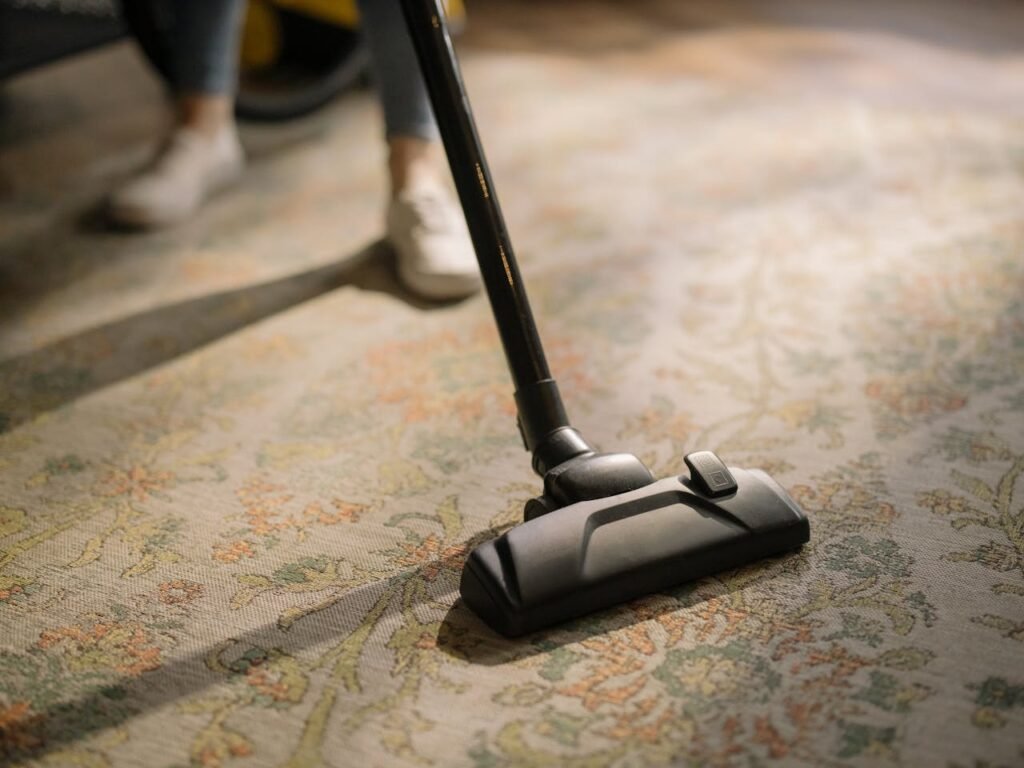
Learn how to clean carpet without machine at home with our easy tips. Discover how to clean a carpet without vacuum and how to clean carpet without shampooer at home efficiently. Home Cleaning Hacks: How to Clean Carpet Without Machine You don’t need fancy machines or strong chemicals to get your carpets looking great. With this detailed guide, you’ll learn how to clean carpet without machine using easy-to-make, environmentally friendly mixtures. It walks you through each step of cleaning carpets by hand, helping you remove stains and smells easily and keep your house feeling welcoming without relying on harsh chemicals for carpet cleaning. “This article contains affiliate links. I might get commissions from those links if you click through the link and finalize a purchase. Please read Disclosure section for more information.” Preparing Your Carpet for How to Clean a Carpet Without Vacuum To get started with carpet cleaning, it’s important to first clear the space. Move any furniture or items off the carpet so you can easily reach every part without bumping into anything. This step helps avoid any unintended harm while cleaning. After that, give your carpet a good once-over with a vacuum cleaner that has strong suction. By doing this, you pick up all the loose dirt, dust, and bits lying around on the surface. Make sure to focus on areas that see a lot of foot traffic and those tricky corners where dirt loves to hide. Identifying the Type of Carpet and Stains Carpets come in all sorts of materials, and each type needs a different way to clean it. To start off right, find out what your carpet is made from by looking at the tag from the maker or doing a quick search online. Knowing this will help you pick the right stuff to clean it without messing up its fibers. On top of that, figuring out what kind of mess you’re dealing with on your carpet matters a lot for getting rid of it properly. Stains can be either something like coffee spills which are water-based and usually easier to tackle, or tougher ones like grease or ink that are oil-based and need special cleaners. By knowing both the type of carpet and stain, you can choose how best to clean up without making things worse or hurting your carpet. Essential Tools and Ingredients for DIY How to Clean Carpet Without Shampooer To get your carpet looking spotless without using a machine, make sure you have these key items on hand: By having all these things ready to go, you’re all set up with everything necessary for tackling different kinds of messes in your carpets and know how to clean carpet without machine. Ingredients Price and Link Buying from Amazon BAKING SODA If you want to know how to clean carpet without shampooer, here’s the solution: ARM & HAMMER Baking Soda– Price $8, 2.7 lb Arm & Hammer Baking Soda Shaker, 12 Oz- Price $16, 6 packs WHITE VINEGAR Iberia All-Natural Distilled White Vinegar– Price $12, 1 gallon Aunt Fannie’s Extra Strength Cleaning Vinegar– Price $14, 32-ounce, multi-purpose cleaner. DISH SOAP Botanicals Plant-Based Liquid Dish Soap– Price $20, 1 gallon Palmolive Ultra Dishwashing Liquid Dish Soap– Price $4.65, 32.5 fluid ounce SPRAY BOTTLE Plastic Spray Bottle 2 Pack– Price $7, 2 packs Plastic Spray Bottle 4 Pack– Price $12, 16 oz or 500 ml spray bottle CLEANING CLOTH Microfiber Cleaning Cloth– Price $8, 12 packs FIXSMITH Microfiber Cleaning Cloth, Rags– Price $18, 5 colors, 50 packs SCRUB BRUSH Bristle Carpet Cleaning Scrub Brush– Price $7.55 Deep Cleaning Supplies Scrub Brushes– Price $22.49 PHYEX 2-Pack Large & Small Cleaning Brushes– Price $9, 2 packs Scrub Brush Floor Brush with Long Handle– Price $17; long handle brush perfect for cleaning your carpet. Step-by-Step Guide How to Clean a Carpet Without Vacuum With your cleaning gear all set, here’s how to tackle a full carpet clean: Vacuuming: The First Step How to Clean Carpet Without Machine Many wonder how to clean a carpet without vacuum. But vacuuming is a must-do step when taking care of your carpets, whether you’re doing a big clean or just keeping up with the usual upkeep. Before you start any kind of wet cleaning, always make sure to vacuum the whole carpet first. With a vacuum cleaner that has good suction power, you can get rid of all sorts of things like loose dirt, dust, pet hair, and other stuff stuck in the carpet fibers. You’d be surprised by how much dirt comes out during this process. It really shows why vacuuming is key for keeping your home clean and healthy. By regularly running the vacuum over your carpet not only makes it look better but also helps it last longer. This happens because it stops dirt from getting pushed down deep into the fabric where it can harm the fibers as time goes on. Stain Removal Techniques for Immediate Action When you spill something, it’s super important to clean it up fast. The sooner you tackle a stain, the better your chances are of getting rid of it before it sinks deep into your carpet. Start by dabbing the spot with a paper towel or a fresh cloth to soak up as much liquid as you can. For those harder-to-remove spots, mixing white vinegar and dish soap works wonders. Just take equal parts of white vinegar and warm water in a spray bottle, then add some dish soap drops into the mix. Spray this homemade cleaning solution on the stained area and pat dry with another clean cloth from outside towards the middle. It’s crucial not to rub or scrub at the stain because that could make things worse by spreading it around or harming your carpet fibers. Read more- How to Avoid Furniture Marks on Carpet Homemade Carpet Cleaning Solutions One great thing about cleaning your carpet by hand is that you can use safe, natural stuff from around the house. These homemade mixtures are not only kind

How to Clean Carpet Without Machine: Home Cleaning Tips Read More »

How to Organize Clothes at Home

How to Organize Clothes for a Neat and Tidy Closet

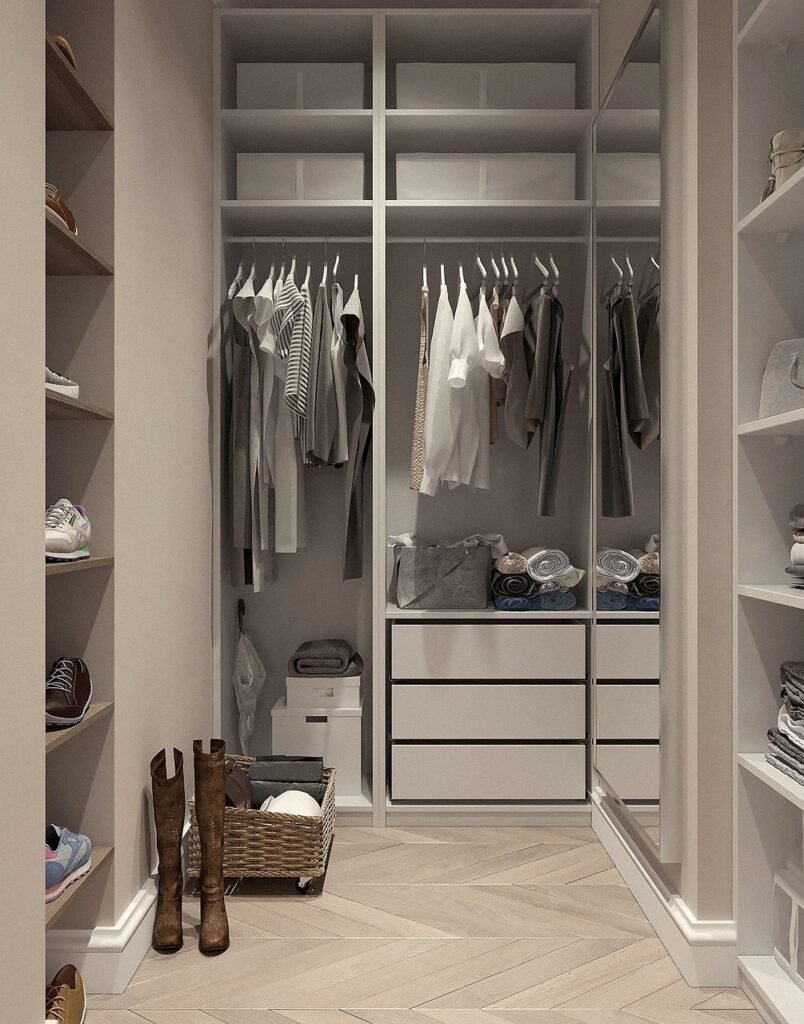
In the hustle and bustle of daily life, maintaining an organized home can sometimes fall by the wayside—especially when it comes to our wardrobes. Clothes pile up, closets become chaotic, and suddenly, finding that one shirt becomes a 15-minute ordeal. However, organizing clothes at home doesn’t just reclaim your space; it reclaims your peace of mind. Whether you’re a home organizer, a fashion enthusiast, or a busy parent, this guide is crafted with you in mind. Let’s explore how to organize clothes in a closet with these closet organization tips? How to Organize Clothes at Home: Step by Step Guidelines “This article contains affiliate links. I might get commissions from those links if you click through the link and finalize a purchase. Please read Disclosure section for more information.” The Benefits of Knowing How to Organize Clothes in A Closet First, it’s important to understand the ‘why’ behind the effort. Organizing your clothes saves precious time in the morning, reduces clutter, and can have a surprisingly positive effect on your mental health. As Marie Kondo famously said, “The goal of tidying is to make room for meaningful objects, people, and experiences.” Sorting and Decluttering Tips How to Organize Clothes in A Small Space Let’s talk about how to organize clothes in a closet. The first step in organizing is sorting and decluttering. Peter Walsh notes, “Clutter is not just the stuff on your floor – it’s anything that stands between you and the life you want to be living.” Start by categorizing your clothes and deciding what to keep, donate, or toss. Remember, seasonal rotation can help manage space effectively and keep your wardrobe in sync with the weather. Storage Solutions When it comes to storage, there’s no one-size-fits-all solution. Different types of clothing require different storage options. Emily Ley reminds us, “Simplicity isn’t about being a minimalist, but about making room for what matters most.” Maximize closet space with multi-use hangers, utilize under-the-bed storage for out-of-season items, and consider a capsule wardrobe to streamline your daily choices. How to Organize Clothes at Home- Step by Step Empty Your Closets and Wardrobe First At the beginning, you need to clean your wardrobe and closets. That will help you to know how much space you have and how you can organize all clothes in an order. Keep all new and old clothes in another room. Then, find out which clothes you do not want to use anymore. Put those clothes in a container. Usually, I use Amazon Basics Collapsible Fabric Storage Cube Organizer. It’s came out with 6 storage containers, that help me for storing, organizing, and reducing clutter. I usually use 4 containers at a time for 4 different purposes. Those 4 categories are donated, sell, trash and storage. I usually do that every 3 months for getting idea which clothes I can use and rest I can give it away. Organize Clothes by Category Next step, you need to separate your wardrobe by shoes, inner clothes, outer clothes, everyday essential clothes, summer clothes, winter clothes. This process is really helpful for getting idea how much space you need for your shoes, summer clothes, winter clothes and others. When you finish this step, you will get you almost done majority of your work. Next step, we need to buy some clothes container for keeping those categorized clothes. Buy Storage Container and Other Accessories Usually, I buy all of my cloth container from amazon. You can buy 6 Pack Clothes Storage Bins Foldable Closet Organizers. That will help you to storage 6 different kinds of clothes. Before buying those containers, you must need to make sure your wardrobe size and those containers size is same, so that you can just put those containers in your wardrobe drawers. Also, I brought Under Bed Storage Containers. The storage containers’ huge transparent view makes it easier for you to quickly find and retrieve the things you need. Also, you have to buy some hangers for your home. Let’s check it out- Magic Pants Hangers Space Saving – 2 Pack for Closet  MORALVE Pants Hangers Space Saving Closet Organizers and Storage,3 Pack Organization Keep Clothes in Storage Containers and Hangers After buying all storage containers and hangers, now you need to keep all clothes in containers and hangers according to the categories like shirt, pants, summer cloths, winter cloths, evening cloths and others. When, you done everything, then you need to make sure one more time, everything is perfect. Organize Shoes in a Rack Different kinds of shoe racks are available for organizing shoes at home. If you have a big family, you can buy 6-Tier Foldable Shoe Rack Organizer for Closet 24Pairs. This rack is very fashionable and easy to move around the house. Also, if you like transparent shoe rack, you can buy Plastic Shoe Organizer from amazon. Its longevity is assured by the thick plastic sheet, and its transparent form makes it easy to quickly identify the shoes you plan to wear today. In addition, I see many people use Bamboo Shoe Rack Stackable Shoe Shelf Storage for its strong load-bearing capacity, sturdiness and durability. Regular Inspection After organizing everything, you need to inspect your wardrobe and closets every 3 months later. If you see wardrobe and closets are not organized after 3 months, then you have to follow all of those steps again. Read more from our website: How to Choose Curtains for your Home Real-Life Success Stories The Busy Parent By adopting the KonMari method, a parent of three turned their cluttered wardrobe into a streamlined, joy-sparking space. This not only made mornings smoother but also taught their children the value of keeping spaces tidy. The Fashion Enthusiast A lover of fashion faced the challenge of storing an extensive collection. Through seasonal rotation and innovative storage solutions, they were able to keep their collection accessible and in pristine condition. The Minimalist This is the best solution for how to organize clothes in a small space. One individual’s decision to

How to Organize Clothes for a Neat and Tidy Closet Read More »

Peaceful bedroom with balcony view, perfect for relaxation representing that How to Choose Right Curtains for My Home?

How to Choose Curtains for Home? Experts Tips

Curtains are essential in our home. They protect our privacy and increase beauty of the home. Let’s explore article on how to choose curtains for living room and how to choose curtains for home. How to Choose Curtains for Home? Experts Tips Curtains aren’t just pieces of fabric you hang on your windows. They are the soul of a room, establishing the vibe, manipulating the light and, yes, affecting how you feel. Whether you’re a homeowner, a budding interior design aficionado, a DIYer, knowing how to select the correct curtains can elevate your space from bland to fabulous. In this detailed guide, we shall lead you through the process, from getting to know the basics to executing the most artistic ideas in your home. Let’s explore our article to learn how to choose curtains for living room and home. “This article contains affiliate links. I might get commissions from those links if you click through the link and finalize a purchase. Please read Disclosure section for more information.” Understanding the Importance of Curtains Curtains give privacy, screening interiors from prying eyes, which is necessary for both residential and commercial settings. They also help control natural light, meaning you can reduce the influx of sunshine into a room to reduce glare and protect furniture from the damaging effects of UV light. And curtains save energy by providing insulation, which keeps rooms warm in the winter and cool in the summer. Another benefit is soundproofing; heavy drapes can help muffle outside noise. Additionally, they enhance the entire décor, establishing the elegance, comfort, or modernism of a space. Curtains are an essential component of interior design, as seen by these several advantages. Factors to Consider How to Choose Curtains for Living Room Size and Shape of Windows Starting points are the dimensions and form of your windows. You can choose curtains that emphasize the beauty of your windows by keeping in mind that not all windows are created equal. Room Lighting and Privacy Needs Think about the use of the space. How to choose curtains for living room? Should a living room have translucent curtains that let in as much natural light as possible, or do you require blackout curtains for a bedroom? Style and Aesthetic Preferences Your choice of curtains should reflect your own style. There’s a curtain style out there for everyone, regardless of your preference for homey country atmosphere or modern minimalism. Fabric and Material Selection From luxurious velvet to casual linen, the fabric you choose can drastically affect your curtains’ look, feel, and functionality. Purpose of the Room First, you need to know where you need to hang your curtain. Let’s figure it out which kind of curtain we need for bedroom, bathroom, living room. Living Room: How to choose curtains for living room? Select materials that strike a balance between privacy and light management. Due of their adaptability and low care requirements, polyester, cotton, and linen are excellent options.Bedroom: Choose materials like velvet, heavy polyester, or blackout fabrics that offer privacy and block light.Kitchen: Choose fabrics that can withstand exposure to culinary smells and spills, such as blends of polyester or cotton, that are sturdy and easy to clean.Bathroom: To avoid mold and mildew, think about using materials that are resistant to moisture, like polyester or synthetic blends. Curtain Insulation Benefits Thermal: Lined curtains or thermal materials act as insulation, keeping rooms cool in the summer and warm in the winter. Ideal for bedrooms and living areas.Thick Textiles: Materials such as velvet, wool, or thick cotton can provide further insulation and soundproofing. Read more- How to Start Gardening at Backyard How to Pick the Finest Materials for Curtains Silken Curtains: You’ll feel more formal in your room thanks to this cloth. Due to the transparency of silk and silk sheer curtains, lining your drapes is essential if you want more privacy. Cotton Curtains: Casual or elegant, cotton curtains fit right in. Cotton or cotton linen curtains are more opaque and more private than other fabric coverings, though they are usually stiffer than other types of curtains. They boast all manner of colors and patterns. Sheer Curtains: Sheer curtains are transparent and lightweight that impart an air of elegance and delicateness to a room. They’re ideal for introducing light, bringing in sunlight and providing the least amount of privacy possible. They are also inexpensive and low maintenance and complement more current or modern decor trends. Velvet Curtains: Velvet curtains are thick, opaque, and lend a sense of sophistication and luxury to a space. They also do a nice job of insulating the space, keeping light out and providing some privacy. Durability of Curtains High-Traffic Areas: Opt for robust materials that can resist repeated usage and exposure, such as polyester, cotton blends, or heavy fabrics.Low-Traffic Areas: Where there is less traffic, delicate materials like silk or linen can be used. Curtain Maintenance Tips Machine-washable: Cotton, polyester, and some blends of linen are machine-washable and require little upkeep.Only Dry Clean: Professional cleaning is necessary for silk, velvet, and certain high-end textiles. Popular Curtain Styles and How to Use Them It is important to understand curtain lengths and rods to create the aesthetic you want. Whether you’re aiming for a dramatic puddle or a precise look that barely skims the floor, the details are important. Step-by-Step Guide to Measuring and Hanging Curtains Window Measurements Start by measuring the width and height of your windows to ensure a perfect fit. You can use Window Tape Measure for measuring your window. It is only $15 at amazon. With this window measuring tool, you can quickly, conveniently, and accurately get the measurement you need without bending or breaking your tape blade! How to Choose Curtains for Home – Rods and Hardware You can buy different curtain rods depending on your window. Here, I included some best reviewed curtain rods from amazon. Let’s check it out- Tips for Proper Curtain Hanging Hanging curtains higher and wider than the window frame can make your windows appear larger and allow more light. DIY Curtain Ideas and Budget-Friendly Options Conclusion How to Choose Curtains

How to Choose Curtains for Home? Experts Tips Read More »

Beginner Guide To Home Gardening

Backyard Gardening Ideas to Transform Outdoor Space

Gardening is more than just a pastime; it’s a way to connect with nature, get outdoors, and nourish not only the plants in your care, but also your own sense of well-being. For first-time gardeners, starting your own gardening in backyard can be both exciting and a bit overwhelming. Without so much information, it’s hard to know how to start a garden in backyard. Don’t worry! This comprehensive guide breaks down the process into simple steps, guiding you through every stage of creating a thriving and beautiful home garden. Let’s read the article backyard gardening ideas to transform outdoor space. How to Start Gardening in Backyard: Step by step Guidelines Whether you want to grow fresh produce, beautify your property, or connect with nature, this guide will give you the knowledge and skills to make your gardening dreams come true. “This article contains affiliate links. I might get commissions from those links if you click through the link and finalize a purchase. Please read Disclosure section for more information.” How to Start a Garden in Backyard Before we dig into the nitty-gritty of gardening techniques and seasonal care, it’s important to understand the foundational concepts of gardening. Your garden is a living ecosystem, and like any ecosystem, balance is key. This means choosing the right plants for your climate and soil, giving them the necessary care (and a little love), and respecting the environment around them. This guide will show you not just how to start a garden in backyard but how to create and maintain a sustainable oasis for you and your local ecosystem. Chapter 1: Introduction to Home Gardening Welcome to the world of home gardening! In this chapter, we’ll explore the many benefits of gardening and get you inspired backyard gardening ideas to venture into the greenery. Why Garden at Home? Home gardening has a myriad of benefits. It’s a therapeutic activity that can reduce stress and improve mental health. Growing your own food can provide a sense of self-sufficiency and the joy of eating my delicious, nutritious home-grown produce. It’s also an opportunity to educate children about where their food comes from and instill a love of nature. How to Start a Garden in Backyard? Understanding how plants grow and what they need can demystify the process. Plants need several key elements to grow: By ensuring your garden provides these essentials, you’re well on your way to success. Chapter 2: Getting Started One of the first hurdles new gardeners face is choosing the right plants. Here we’ll discuss how to select plants that will thrive in your garden environment and show you how to plan your space with backyard gardening ideas. Understanding Your Hardiness Zone Your hardiness zone is the geographic area defined by a certain range of temperatures. It’s the first thing to consider when choosing plants, as not all plants can withstand your local temperature and climate. The United States and Canada are divided into 13 zones, from coldest (1) to warmest (13). Assessing Your Garden Space Inspect your potential garden space and consider the following: By understanding your zone and space, you’ll be able to create a garden tailored to your environment and resources. Chapter 3: Essential Tools and Materials Gardening In Backyard Just as a painter needs brushes and canvas, a gardener relies on certain tools to craft their masterpiece. Here, we’ll cover the basic tools you’ll need and the merits of each. Garden Tools Every Beginner Needs A few essential tools can get you started: Selecting Quality Materials Quality materials can make a big difference in your gardening experience. Invest in sturdy tools that feel comfortable and well-balanced in your hands. Use natural and organic materials like mulch, compost, and manure to nourish your soil and plants, and avoid using harmful chemical fertilizers that can damage ecosystems. Chapter 4: Soil and Composting Good soil is the foundation of a successful garden. We’ll talk about the different types of soil, how to improve it, and the benefits of composting. Understanding Your Soil There are several types of soil, including clay, sand, silt, and loam. Each has its own properties and cultivates different types of plants more effectively. The ideal garden soil is loamy soil, which is a mixture of sand, silt, and clay. I use All-Natural Potting Mix for All Indoor & Outdoor Containers Including Herbs & Vegetables for my garden. Its only $14. Before I used black gold purpose soil for plants. This is very good fertilizer for the starting. That is a multipurpose, nutrient rich mix that’s ideal for all plants. Read more from our website- How to Choose Curtains for My Home? Composting Compost is decomposed organic material that provides nutrients to your soil. Composting can be as simple as collecting kitchen scraps, leaves, and yard waste in a compost bin and allowing them to decompose over time. It’s a cost-effective way to enrich your soil and reduce household waste. I use Jobes organics compost starter for my garden. This starter is very good and should be used every 4-6 weeks or as needed. It provides vegetables, plants, and flowers nutrients they need for a high yield and rich green production. By understanding and improving your soil, you’ll set the stage for a thriving garden. Chapter 5: Watering and Sunlight Backyard Gardening Ideas Consistent watering and appropriate sunlight are critical to plant health. This section will help you understand how to provide these two vital ingredients effectively. The Watering Principle Water your plants deeply but less frequently. This encourages deep root growth and helps plants withstand dry spells. I use watering can for outdoor plants. A long spout watering can easily reach distant plants. It lets you control the water flow, directing it exactly where needed so every part of the plant absorbs the water fully. Here is some other links for buying watering cans- Metal Watering Can with Removable Spout for Indoor and Outdoor Plants, 3 Gallon Indoor Outdoor Water Gallon Shower for Plants. Sunlight and Plant

Backyard Gardening Ideas to Transform Outdoor Space Read More »