Md Soriful Islam

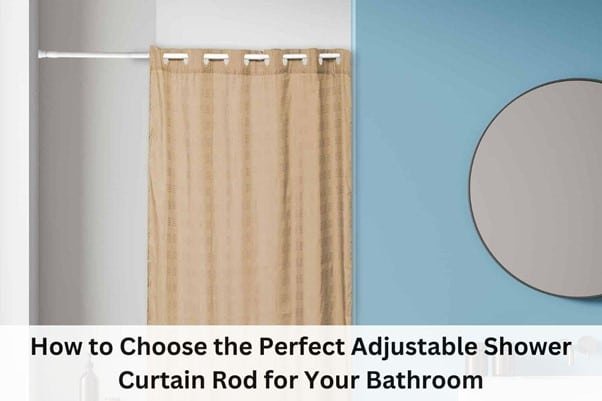
adjustable shower curtain rod hanging in the bathroom and there is a mirror on the wall

How to Choose Adjustable Shower Curtain Rod

Upgrade your bathroom with an adjustable shower curtain rod. Read our article to learn more about how to choose adjustable shower curtain rod. How to Choose Adjustable Shower Curtain Rod for Your Bathroom: Perfect Guide Adjustable shower curtain rods are a useful and adaptable addition to any bathroom. Its capacity to accommodate a variety of bathroom layouts and styles makes it an excellent alternative for both homeowners and renters. Also, with the ability to quickly modify its length, this device provides a handy solution for maximizing space while also assuring a safe, elegant shower curtain configuration. This tutorial will go over the advantages of adjustable shower curtain rods, the important variables to consider when choosing one, and give step-by-step installation instructions. Overview of an Adjustable Shower Curtain Rod A flexible bathroom tool meant to accommodate a variety of bathroom dimensions and designs is an adjustable shower curtain rod. Its simple adjustability to varied lengths offers a versatile answer for many configurations. Perfect for renters and those who would want simple installation, this rod blends durability with utility. Important characteristics of adjustable shower curtains rods: Benefits of an Adjustable Shower Curtain Rod Your bathroom gains much with an adjustable shower curtain pole. Modern bathrooms would find it perfect as its adaptability and simplicity of use improve both appearance and utility. Discover more home decoration ideas! Factors to Consider When Choosing an Adjustable Shower Curtain Rod Selecting the appropriate adjustable shower curtain rod calls for weighing many elements to guarantee you get the greatest solution for your bathroom. Bathroom Size and Rod Length Before choosing a rod to guarantee a suitable fit, discover the width of your shower or bathtub space. Choose one that fits tightly as adjustable rods may be stretched or contracted to meet varying bathroom sizes. An overly long or too short rod could undermine the stability of the curtain. To satisfy your particular space needs, be sure the rod’s flexible length range fits. Durability and Materials The rod’s substance determines both its look and durability. Because they resist rust and corrosion in humid surroundings, aluminum and stainless steel are quite often employed. A premium material guarantees that the rod will keep its strength over time and endure longer. Materials like chrome or brushed nickel also provide polished appearance and longevity. Aesthetic Attractiveness and Style Select a rod type that accentuates the general architecture of your bathroom. Any bathroom may look better with several finishes like brushed nickel, chrome, or matte black. Apart from its useful use, a fashionable rod may accentuate the whole appearance. Whether for a contemporary or classic style decorative rods also let one choose for unique design preferences. Installation and Ease of Use Particularly for people who prefer not to utilize power tools, installation should be straightforward and handy. Usually including simple to follow instructions and mounting hardware, adjustable rods are straightforward to install. Renters or those who want a no-drill solution will find tension rods to be a fantastic choice. Make sure the rod is firmly attached to prevent any over time instability or damage. Weight Capacity and Support Make sure the adjustable shower curtain pole can handle shower curtain weight without bending or drooping. Strong rods with strengthened support or extra brackets are needed for heavier drapes using. Selecting a rod with the right weight capacity will help you to prevent failure under demand. Examine the features of the goods to be sure it will support your curtain exactly. Price and Value An adjustable shower curtain rod’s pricing should match its quality and lifetime. Although luxury versions usually have superior materials and extras, less expensive choices may nonetheless work well. Think about the long run worth of the rod; investing in a more durable choice might save money down road. To be sure it satisfies your demands, compare the price to the general performance, style, and durability of the rod. Depending on the quality price may be varies from $40 to $500. You can buy best quality and discount price shower curtain rod from Dream Home Heaven. If can check which factors can affect shower curtain price. We spend lot of hours to find out the best reviewed and good price adjustable curtain rod for you from Amazon. Let’s explore the article. How To Install an Adjustable Shower Curtain Rod Installing an adjustable shower curtain rod is a fast and simple task that does not need expert help. Simply follow these instructions for a hassle-free setup. Conclusion An adjustable shower curtain rod is a handy and adaptable addition to any bathroom. Not only can it accommodate different shower sizes, but it also enables for simple installation without the need for expert assistance. With a variety of materials, designs, and installation choices available, you can select a rod that enhances both the usefulness and aesthetics of your bathroom. The flexibility to make changes provides long-term value, making it an excellent investment for both renters and homeowners who want to refresh their area with little effort. Make your home to become heaven!

How to Choose Adjustable Shower Curtain Rod Read More »

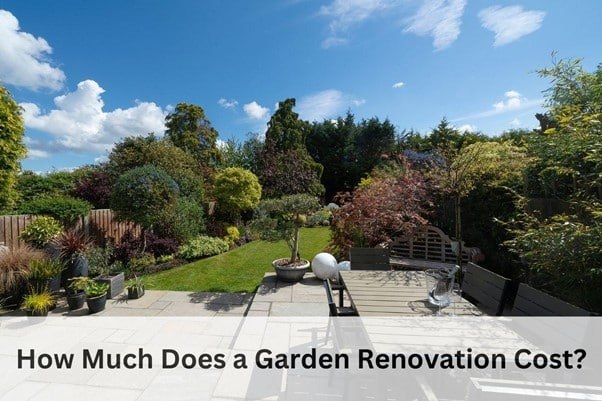
lot of trees in a garden and a sky representing How Much Does a Garden Renovation Cost?

How Much Does a Garden Renovation Cost in 2025?

Find out how much a garden renovation costs in 2025, with insights on budgeting, factors affecting expenses, and tips for creating your dream outdoor space! How Much Does a Garden Renovation Cost in 2025? A Details Analysis Although renovating your garden can turn your outside area into a personal haven, you must first consider the expenses. Also, knowing how to budget can help you avoid expensive shocks whether your intended project is to build a lavish landscape, establish a vegetable patch, or tidy a little garden. This guide will bring you through the stages to properly finance your garden makeover and provide ideas to maximize expenses without sacrificing quality. Step by Step for a Detail Budget You really should have a defined goal before beginning your yard makeover. Knowing your goals will assist you direct every expenditure and choice taken throughout the process. Step 1: Clearly State Your Renovation Objectives Clearly state the reason you are renovating your yard before discussing expenses. Are you hoping to: Your aims will affect the kind of work required and the related expenses. In addition, a useful vegetable garden, for instance, could be less expensive than a luxury garden including complex landscaping. Step 2: List the Necessary Tasks After you have your objectives, divide the work required to meet them. A thorough list lets you more precisely project expenses. Also, typical elements of a landscape makeover consist in: Design and planning: Site preparation: Gardening and landscape design: Hardscape building: Water and irrigation systems: Decorating and lighting: Step 3: Research Market Pricing Research the local current rates of labor, materials, and plants to build a realistic budget. These guidelines can be useful: For various garden sizes, example budgets range: Step 4: Allocate a Contingency Fund Any remodeling effort might result in unanticipated costs. Create a contingency reserve out of at least 10 to 20 percent of your whole budget. Typical unplanned expenses include: Popular Garden Decoration Styles Choosing the right style for the garden restoration is not only a reflection of your personal sensibilities but will also have a big impact on your budget and encourage your garden to be a dream home heaven. Each style requires different materials, labor costs and installation time, leading to highly variable overall costs. Here are some well-liked garden décor ideas you might choose to use for your restoration project: Modern Garden Style A contemporary landscape stresses simplicity with straight lines and open areas. Also, often employed are elements such gravel, natural stone, water features, and simple plants. Usually requiring little upkeep, this style is simple to keep over time. Still, the sort of stone, plants, and other accent pieces you use will affect the expenses. Tropical Floriculture Combining broad-leafed plants, vivid blooms, and water elements like ponds or streams, a tropical garden produces a rich, lively scene. Since a tropical garden needs particular plants, computerized watering systems and other landscaping elements, its cost could be higher. It still provides quiet surroundings and a soothing atmosphere. Garden with Herbs and Vegetables Those who like growing their own food often go for an herb and vegetable garden. Usually, this kind is less expensive—especially if you have room available and cultivate your plants. Costs may increase, however, if you choose raised beds, extra materials, an orderly herb garden with automated watering systems. Classical English Garden With meandering walks, lovely flower beds, stone walls, and well clipped bushes, the English garden design is charming. Investing in premium materials like natural stone, bricks, and plants that need particular care can help you to design a garden in this style. Consequently, if you pick this design, remodeling expenses might be really costly. Japanese Garden Design Often include stones, water, bonsai trees, and symbolic elements evoking serenity and tranquilly, Japanese gardens concentrate on harmony with nature. Because of the special materials and design components required, this style calls for exacting attention to detail and care. The expenses may be significant. Selecting the appropriate garden design style not only reflects your own taste but also helps to decide the general remodeling budget. To create the ideal garden place you have always imagined, carefully weigh expenses and appearance. Tips to Save on Garden Renovation Costs You don’t have to break the budget renovating your garden. These are several useful techniques, each enlarged for clarity, meant to help you save expenses without sacrificing quality. Make Use of Affordable or Recycled Materials Choosing environmentally friendly or second-hand items can help you greatly save your costs. Also, other sources for reasonably priced pavers and stones, for example, are local sales events or secondhand stores. In addition, salvaged wood or thrift shop upcycled furniture is a more affordable but stylish choice in your yard. Do-It-Yourself (DIY) Where Appropriate Simple chores you do yourself, such painting, constructing furniture, or gardening, may save labor expenditures. Use internet resources or do-it-yourself manuals catered to garden improvements for direction. To prevent expensive errors, nevertheless, it is important to use experts for difficult jobs like hardscaping or irrigation system installation. Sort Important Characteristics Start with high-impact components as well-designed paths, well placed lighting, or statement plants. These elements make your yard appear better right away. Then you may add more furniture or other accents in stages to keep the basic arrangement under control within budget. Shop wisely Strategic timing of your purchases will result in notable savings. Plants, for example, are frequently marked down during out-of-season sales, and buying gravel or soil in bulk usually brings the cost down per unit. Moreover, you should search the customer review of the product well to find the best price anywhere online or actual store. Use the natural elements To avoid incurring additional costs, incorporate existing natural elements into your design. For example, focal points might be large boulders or established trees, thus reducing the need for purchased decorative items. Native plants are also less expensive and easier to care for because they thrive in their local habitat. Select low-maintenance plants Selecting low-maintenance plants might help you save time and money over time. Also, natural resilience and decreased susceptibility

How Much Does a Garden Renovation Cost in 2025? Read More »

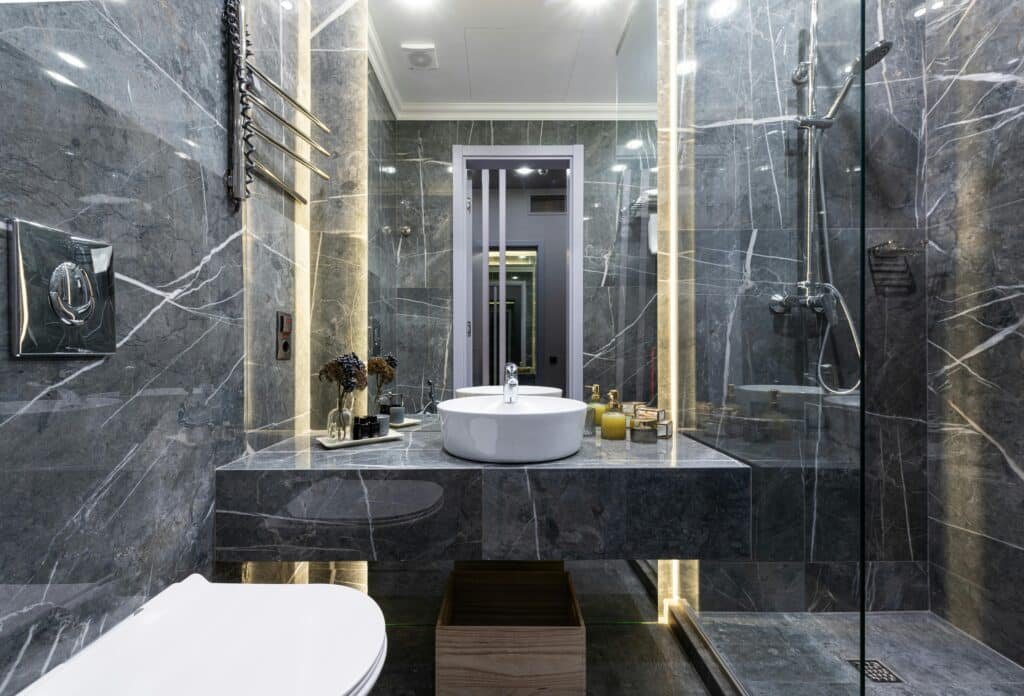
Luxurious modern bathroom featuring marble walls, sleek fixtures, and ambient lighting representing Single Sink Bathroom Vanity

Single Sink Bathroom Vanity: Blending Style

Thinking of buying a single sink bathroom vanity? Discover here tips, design, and decor ideas to choose a practical and stylish piece for your space. Single Sink Bathroom Vanity: Blending Style and Functionality for Your Bathroom Decoration Are you considering upgrading your small bathroom? Or maybe giving your guest bathroom a touch of style? Or even making a bold statement in your master suite? Then, a single-sink bathroom vanity is your go-to! And you have just landed in the right place because, in this guide, you’ll discover how this piece of bathroom furniture can transform your space, offering both style and functionality.   So, let’s explore every aspect of this combo feature along with some helpful tips to pick the perfect one for your bathroom. Single Sink Bathroom Vanity – Breaking it Into Pieces As its name implies, this furniture basically consists of three parts: a sink, a cabinet (with the sink installation included), and a counter space between them. The cabinet and counter space parts are usually made of wood or other wooden-like materials like laminate, marble, or granite. The whole feature can be mounted on the wall, built-in and floor-mounted, or be a free stand-alone piece. There are many designs and sizes in the market to choose from and many colors to select from to find the vanity that best fits your space and your preferences. Typically, you will find sizes that range from 16 to 48 – even 72 inches, ideal for either tiny or more spacious bathrooms. Now, let’s examine why the single-sink vanity can be your bath’s game-changer. Why opt for a Single Sink Bathroom Vanity? Many reasons make this piece of bathroom furniture popular and attractive when it comes to home design. Here are the most important of them: It Is the Absolute Space-Saver If you don’t have the luxury of living in a big apartment, then this type of vanity will come in handy in your bathroom. It is designed to maximize its space without compromising on utility. You’ll have your sink on one hand and still enough countertop room for your essentials on the other. Your soap dispenser, toothbrush holder, and skincare box can find their place there – even maybe a chic plant for that earthy vibe. While in the cabinet, you can store some towels, toilet paper, and detergents. It Is Affordable Do you want practicality on a budget for your bathroom? Then a single-sink vanity is the perfect choice for you. Compared to its double-sink counterpart, this piece can offer you both style and utility at a fraction of the price. It Comes in Many Options It may be rather small in size, but that doesn’t mean it doesn’t come in a plethora of designs, colors, and finishes. Just have a look on the web, and you’ll find a wide range of options that can suit any home decor. Whether you are looking for something minimal or searching for something rustic, you won’t have a problem finding the appropriate single-sink bathroom vanity to match your aesthetic. Need the sink in the center? On the right or left side? Need a combination of drawers and doors? Want only open shelves? You want your cabinet round? Rectangular? Square? Well, you get the picture. The options are countless, not to mention that you can customize your single-sink bathroom vanity to your preference. It’s Easy to Install Due to its size, the single-sink vanity won’t put you into much fuss to install it. Regardless of whether you choose a wall-mounted piece or a free stand-alone one, its installation process will probably be hassle-free. And if you don’t consider yourself Bob the Builder and you call a professional to install the vanity for you, it will cost you way less than the installation cost of a double-sink bathroom vanity. It’s Easy to Clean and Maintain Easy cleaning and maintenance follow the easy installation. One sink means less cleaning and fewer plumbing issues in the future. You have only one basic to scrub, a smaller counter space, and one cabinet to keep tidy and clean. Hurray! 4 Tips to Consider Before Buying a Single Sink Vanity Before heading to the stores to find your single sink bathroom vanity, take some notes of the following practical tips: Size-it Up Take your meter and measure your bathroom space carefully. Most single-sink vanities range from 18 to 48 inches wide, but you can also find pieces up to 72’’ if your room permits them. But 60-inch vanity is perfect for many houses. Make sure you don’t miss accounting for the door swings and the traffic flow. You want to make the most of your space. Think of your Storage Needs Another thing to consider when choosing your single-sink bathroom vanity is your storage needs. What are you going to keep on and into the vanity? And what would be more convenient for you? A vanity with drawers or shelves? Or a cabinet? Remember that you’ll use this piece of furniture every day and more than twice daily. Look also for other storage options in your bathroom, to keep your essentials organized. Image by Freepik Select the Material Wisely Humidity in the bathroom is a frequent phenomenon. Basically, it’s the rule. This is why you want a water-resistant vanity that can withstand the test of time. Opt for solid wood or stainless-steel furniture, and select a countertop made of marble or other durable materials like marble and granite. Consider the Style and Aesthetics Finally, you have the style to think of. Your single-sink bathroom vanity should complement the overall vibe of the space. This is where you can let your inner stylist shine and pick a design that adds a decorative touch and not only conforms to the practical aspects of its usage. 4 Tips for Styling Your Single Sink Vanity Ok, you’ve bought and installed your vanity. But what about accessorizing it? Despite its small size, there is always room for some decor accents. Here is what you

Single Sink Bathroom Vanity: Blending Style Read More »

window, ivy, shutter, balcony, house, italy, padua, town, facade, home, window, window, window, window, ivy, balcony, house, house, italy, italy, italy, home, home, home, home, home

How to Plan and Design a Garden Layout in 2025

Learn how to plan and design a stunning garden layout in 2025 with expert tips, modern trends, and practical steps for a beautiful outdoor space! How to Plan and Design a Garden Layout in 2025: You Must Need to Know Before Starting Gardening Creating a well-designed garden plan has become a crucial element of contemporary life, providing a personal retreat to unwind, produce food, or display natural beauty. Garden planning evolves in 2024, with a focus on sustainability, technology integration, and aesthetic innovation. Whether you have a large backyard or a small urban area, this article with creative garden design may improve both the appearance of your house and your quality of life. Key Trends in Garden Planning and Design for 2025 Garden design ideas for 2025 will emphasize sustainability, technology developments, and individualized aesthetics. These trends appeal to a wide range of lifestyles, from environmentally aware gardeners to city residents looking for practical solutions. Ecological Garden Sustainable gardening stresses environmentally friendly methods that help to promote healthy ecosystems by lowering effect. Native flora, natural irrigation systems, and organic composting take front stage. Modern Garden Technological developments are transforming gardening and providing clever solutions for plant monitoring, lighting, and watering. For contemporary gardeners, these technologies guarantee ease and efficiency. Vertical Gardens and Small Areas Urban environments with limited area would benefit most from vertical gardens and small layouts. They make little yards, balconies, and walls lively green spaces. Biodiversity-Focused Gardens Gardens meant to boost biodiversity help animals while bringing movement and color to outdoor areas. They establish homes for other helpful species including pollinators. Outdoor Living Integration Combining outdoor living areas with gardens produces multifarious venues for entertainment and leisure. This concept blends clever and useful designs with foliage. Step by Step To Plan and Design a Garden Layout in 2024 Designing a garden needs both imagination, careful planning, and attention to detail. This detailed guide will enable you to create the ideal garden that fits your requirements and current style. Determine the Purpose of Your Garden Start by deciding what you want for from your garden. Will it be for leisure, vegetable gardening, guest entertainment, or a combination of all? Clearly specifying its goal will direct your design decisions. A vegetable garden would require well-lit, easily accessible planting areas, while a leisure garden may include water elements and comfy chairs. Knowing the goal guarantees that every component of your garden fulfills a significant use. Evaluate Your Surrounding Area and Space Check the dimensions, form, and present condition of your garden area. Your plant and design decisions will be impacted by elements like solar exposure, kind of soil, and drainage. Pay attention to permanent elements that could compromise the arrangement as paths, fences, or trees. Think vertically using wall gardens or hanging plants in tiny areas. Knowing your surroundings will enable you to develop a sensible and environmentally friendly garden. Plan a Garden Layout Plot a simple design using your garden’s key elements. Sort the space according to their intended use—that of sitting sections, planting beds, paths, etc. To guarantee correct dimensions, use design tools or graph paper. To picture the finished design, add raised beds, water features, or garden furniture. This stage guarantees that your garden’s layout is aesthetically pleasing as well as useful. Select Plants Fit for Your Style and Space Choose plants fit for your local environment that complements the goal of your garden. Choose native plants for a sustainable garden that call very little care. To provide visual interest and depth, think about combining textures, colors, and heights. Make sure the plants fit the particular sunshine and soil parameters in every zone. This choosing procedure enables a garden to be coherent and healthy. Plan for Irrigation and Drainage Create a quick irrigation system to guarantee your plants get enough water. Based on the size of your garden, options include drip irrigation, sprinkler systems, or hand watering. Think of drainage options as well to avoid waterlogging, including gravel layers or elevated beds. Good water management not only maintains your plants but also helps to save resources. Add Environmentally Friendly Technological Elements Combine environmentally friendly features include solar-powered garden lighting, rainwater collecting systems, or composting bins. Invest in smart gardening technologies such automatic watering or plant health monitoring systems if money permits. These elements fit current environmentally concerned trends and simplify garden upkeep. Including technology guarantees your garden is both creative and practical. Add Decorative and Functional Elements Add artistic details like statues, pergolas, or vibrantly colored pots to improve the look of your garden. Functional elements like fire pits, outdoor kitchens, or seats help the garden to be used in many ways. Maintaining harmony with the surroundings, use natural materials like stone or wood. Careful additions provide an individualized and welcoming environment. Plan for Seasonal Changes Including plants that bloom in many seasons can help your garden to appear lovely all year long. Consistent color and texture may be found from evergreen plants, seasonal flowers, and decorative grasses. Think about how patterns of sunshine and temperature will vary across the year. Making plans for all seasons guarantees that your garden stays colorful and fun independent of the season. Implementation and Maintenance Tips for Your Garden Proper implementation and persistent upkeep are required to guarantee your dream home heaven flourishes and retains its visual appeal over time. Here are some practical recommendations to help you carry out your plan and maintain your garden healthy year-round. Following these guidelines will help you to keep a healthy garden as well as design a dynamic and changing environment that keeps delight and beauty. Conclusion A well-designed garden is a personal haven reflecting your beliefs and taste, not simply an outside area. Your garden could inspire and provide peace whether it’s a tech-savvy refuge, a sustainable retreat, or a lively home for animals. Accept the creative process and don’t hesitate to test fresh concepts. A lovely garden results from your enthusiasm and attention as much as from the ground.

How to Plan and Design a Garden Layout in 2025 Read More »

Squirrels eats flower in a garden

How to Keep Squirrels Out of the Garden: Tips

Squirrels are attracted to your garden for certain aspects that meet their demands. Let’s explore our article how to keep squirrels out of garden. How to Keep Squirrels Out of the Garden: Tips 10 Humane Methods Although a beautiful, vibrant garden is a delight to see, squirrels can swiftly transform this haven into a battleground. Gardeners are annoyed by these cheeky animals as they are known to dig up seeds, chew on fruits, and ruin plants. Rather of turning to destructive techniques, why not look at compassionate ways to guard your garden while coexistence with animals is possible? Why Squirrels Are Attracted to Your Garden Squirrels are attracted to certain aspects that meet their demands; they do not enter your garden at will. The Impact of Squirrels on Your Garden Although squirrels are rather cute, their presence in your yard could do major harm. 10 Humane Methods to Protect Your Garden from Squirrels With these thoughtfully planned, you can keep squirrels out of your garden without hurting them. Set up Physical Barriers One of the best approaches to keep squirrels out of your garden is building a physical barrier. Garden cloches, nett, or fences may physically prevent squirrels from getting to plants or excavating ground. A well-built barrier may provide long-term security even if it might need an initial outlay of funds and work. High-risk areas like vegetable gardens or flower beds might find this approach particularly helpful. Pros: Cons: Tips: Apply Natural Deterrents Natural deterrents that won’t hurt squirrels include chili powder, coffee grinds, or pepper flakes. These drugs upset a squirrel’s taste and sensitive nose, making the surroundings unattractive. Pros Cons Tips Give a Another Feeding Spot Offering squirrels their own food source will help to deflect their interest from your garden. Set up a feeder distant from your plants packed with maize, seeds, or nuts. Pros Cons Tips Place Motion-activated Sprinklers A creative and compassionate approach to drive squirrels away are motion-activated sprinklers. These sprinklers frighten the animal without inflicting damage by releasing a quick blast of water when movement is sensed. Pros Cons Tips Create Plant Squirrel-resistant Structures One natural approach to keep squirrels away is to plant bushes and flowers they find objectionable. Scents or textures of species like daffodils, marigolds, and hyacinths discourage squirrels. This approach reduces the chance of harm while also improving the appeal of your landscape. Still, if alternative food sources abound, it may not totally discourage squirrels. Pros Cons Tips Employ Ultrasonic Tools While inaudible to people and dogs, ultrasonic devices produce high-frequency noises that annoy squirrels. A handy choice for squirrel control, these gadgets are straightforward to install and use. Though efficient, their efficiency might differ depending on the size of the garden and the range of the gadget. Pros Cons Tips Pour Mulch or Gravel Mulch or gravel covering ground can discourage squirrels from excavating from your yard. These materials’ coarse texture makes excavation unpleasant, therefore lowering their activity. Pros Cons Tips Safeguard Seeds and Bulbs Plant coverings or wire mesh covering bulbs and seeds will help to stop squirrels from excavating them. These defensive steps let plants flourish while serving as a physical barrier. For gardeners laying fresh bulbs or seeds, this is the perfect fix. Pros Cons Tips Sanitize Food Sources Eliminating food sources such dropped fruits, nuts, and trash can help your garden lose appeal to squirrels. A neat garden encourages squirrels to search elsewhere by lowering their likelihood of finding food. Although this is an easy and reasonably priced approach, persistent work is needed. Pros Cons Tips Teach Your Pets to Patrol the Garden By frightening squirrels away, dogs and cats may naturally discourage others. Often enough, their presence alone makes squirrels cautious to visit your garden. To guarantee your pet is not too exposed to extreme weather or stress, this approach does, however, need training and supervision. Pros Cons Tips Conclusion A quiet garden is more than simply a place to raise plants; it is a refuge where people can interact with nature. Protecting your dream home heaven from squirrels does more than just preserve its beauty; it demonstrates care for animals and the environment. Choosing compassionate ways promotes peace between people and nature. A flourishing garden brings delight and peace while also serving as a reminder of the delicate balance that allows life to exist. Accept the chance to grow both your plants and your bond with the natural environment.

How to Keep Squirrels Out of the Garden: Tips Read More »

a house wall decorated with beautiful wallpaper, a sofa set and book self-one the side.

10 Creative Wall Decor Ideas for Living Room

If you are not sure how to decorate your living room wall. Do not worry. Upgrade your living room with 10 creative wall decor ideas with us. 10 Creative Wall Decor for Living Room Ideas to Transform Your Space Many people usually spend their evenings relaxing in their living rooms. It is a place where one convenes with their loved ones; everyone should feel warm and welcome. Walls, beyond furnishing, form a blank slate with tremendous potential. It’s through proper wall decoration that the space would be made warm and stylish, filling it with character. If you’re still stuck in your thoughts, begin having a look at these 10 very imaginative ideas wall decor for living room – be it from incredible art to nature-inspired designs. 1. Why Decorate Living Room Walls? Before proceeding to any ideas for decoration, let’s see why one needs to decorate living room walls: Make your home become a heaven with Dream Home Heaven! 2. 10 Unique Living Room Wall Decor Ideas For living room walls, you can have as many as 10 ways to beautify them, from readily available materials to creative and artistic decorative items. Here are some popular suggestions and some useful ways to do this: 2.1. Hang Large-Scale Art To install giant art in the living room to make a really great bold statement. One must say that the large artwork is also put up in a striking way just not as a spectacular idea but acts as a striking focal point even more when placed against contrasting backgrounds. For example, the amazing piece put even more so on a moody blue, dark green wall would be a bold black and white abstract print. You can totally achieve that gallery-type feel. To pop up those art pieces, you might consider placing a picture light above it. Not only brightening the piece, but also sophisticatedly using it into your decor. When it comes to choosing large-scale art, make sure with the style and color palette to the overall aesthetic of your room-whether that is modern, rustic, or minimalist. Pro tip: If large-scale art seems to be a little too much investment for you, think Do-It-Yourself. Paint a canvas, or print out your favorite digital art, and you will achieve the look of being high-end for much less money. 2.2. Install Stylish Living Room Shelves For a decor enthusiast, those shelves in the living room become one’s best companion because such items are in your living room. These are the items perfect to display, rotate at will, and if desired, recustomize along with these varieties or art, plants, and books. This can be moved any time throughout the year based on one’s changing mood, season, or just about every new trend. Use different heights, textures, and shapes when arranging to make interesting visuals. 2D, like framed, are contrasted by 3D items like sculptures and pottery to add to that collected, layered look. 2.3. Embrace Nature with Biophilic Wall Decor Now, get into the real outdoors through biophilic designing. Among all these moods, plant walls are not only beautiful to look at; it will improve moods and raise health benefits, such as cleaner air and lower levels of stress. Where a total plant wall seems rather like too much of a chore, think about ceiling-mounted, wall-mounted planters or potted plants placed on floating shelves. The combination of cascading green vines like pothos or ivy with tall statement plants such as snake plants forms a lush dynamic effect. Alternative: Very much like framed botanical prints or nature-inspired artwork. Certainly, they do not purify your air all that much, but they still have that calming effect of nature on your mind stinging. 2.4. Add Wall Paneling for Texture Paneling has been one of the traditional methods to give texture, character, and architectural interest to a part of your living room. If you have classic Georgian-style paneling, contemporary Shaker panels, or rustic Shiplap, the outcome is a space that feels polished and warm. Even wall paneling is practical; providing insulation, hiding imperfections, protecting damage against walls, and thus an ideal choice for areas of heavy traffic. Design tip: Solids for the paneling would look far more modern. Make it a deep, rich color for example – like deep blue, emerald green, or charcoal gray. For a lighter, more coastal feel, stick with white or soft pastels. 2.5. Create a Wallpaper Accent Wall Wallpaper is again ruling the roost and has proved that it can be used in disparate ways. Instead of wallpapering all four walls, how about papering just one in a bold wallpaper pattern? This will enable you to add splashes of color and pattern without “cluttering” the space. Peel-and-Stick Wallpaper is also a good option for renters–or anyone for that matter-who enjoys changing things up. They are quite easy to apply and remove, with no damage caused. From floral prints to geometric patterns to textured, it won’t matter what you’re into: there’s certainly something for everyone. Bonus tip: Use wallpaper to accentuate an area in the room, such as a wall behind your sofa set, for a focal point without creating a design issue. 2.6. Make Use of Niches and Alcoves These strange areas, such as recesses and alcoves, are largely wasted. But with a little creativity, these spots can come to life like no other area in the room. Install open shelving within these spots for books, framed photos, plants, or decorative pieces. Stockpile firewood in an alcove or use reclaimed wood shelves to give an earthy or cozy feel. The overall texture will warm up and add dimension to your walls. Why it works: They turn something that previously was wasted space into a productive, functional design element for your living room. 2.7. Create a Gallery Wall An art gallery wall is an age-old and adaptable approach for personalizing one’s living room. While classically intimidating, the modern-day grid has made the whole thing easy and contributed to an organized, polished look. Start

10 Creative Wall Decor Ideas for Living Room Read More »